
Insurance technology for agents creates the most value when it connects the whole sales journey, not just one task. A license scan that still requires manual re-entry into a quote, or a quote that stalls before binding, leaves friction in the workflow and the customer experience.
The opportunity is to make scanning, quoting, and binding a continuous process while keeping the licensed agent involved at every important decision point. Automation can speed up data capture and paperwork. It cannot replace an agent’s judgment about accuracy, coverage, or a customer’s needs.
That distinction matters in a market where customers increasingly expect convenient digital service. In JD Power’s 2025 U.S. Insurance Digital Experience Study, 47% of auto policy buyers purchased through digital channels, compared with 35% through agents. The study also found that quote-related tasks produced some of the widest gaps in customer satisfaction between insurers. The implication for independent agents is not that personal advice is becoming less important; it is that a cumbersome process can get in the way of it.
A connected workflow reduces the friction between steps
A mobile sale often involves three linked stages:
- Scan: Capture information from a customer’s driver’s license.
- Quote: Review and complete the relevant details, then present available coverage and pricing.
- Bind: Confirm the customer’s choices, complete required steps, and submit the policy for binding.
When these stages operate separately, the customer and agent can encounter extra handoffs: typing data that was already captured, switching between systems, clarifying missing information, or waiting without a clear update.
The 2026 AUGIE Connectivity Survey, based on responses from 615 insurance professionals, found that 60% of agencies identified limited system integration as a major operational challenge. Nearly three-quarters said disconnected systems added at least 10 minutes to a typical policy transaction. Quoting was the most frequently named manual workflow, identified by 50% of respondents. These findings point to a practical priority: reduce avoidable re-entry and make the next step clear.

Handoff one: Make scan data usable, then verify it
A scan can shorten intake by capturing information from a customer’s license and using it to begin the quoting workflow. It can reduce routine typing, but it does not make the information self-validating. Names, dates, addresses, license details, and household information still need to be checked against the customer’s answers and the application requirements.
A sound scan-to-quote handoff should preserve the information already captured and make discrepancies easy to spot. If an agent has to retype the same details into a separate quoting process, the scan has saved little time and introduced another chance for error.
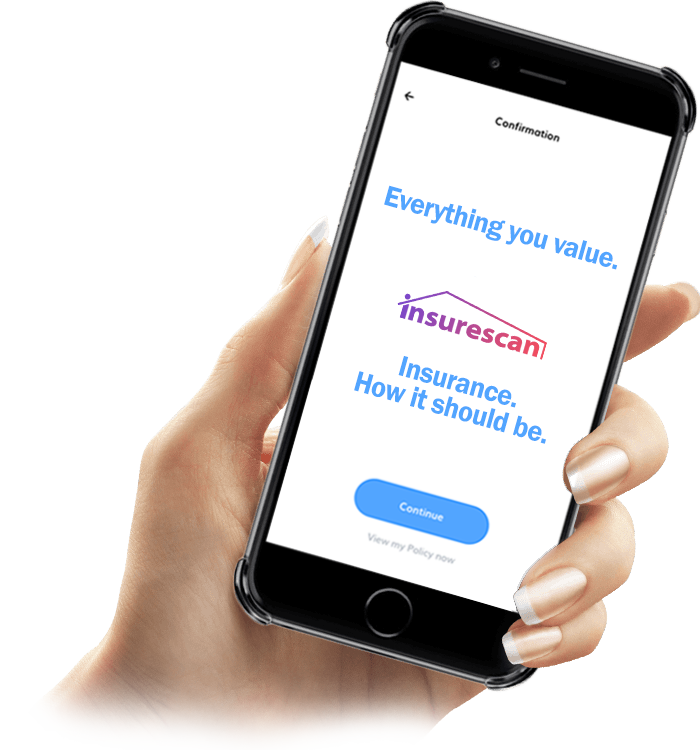
InsureScan’s patented mobile technology is designed to let licensed agents scan a customer’s license and move into quoting through its mobile app, available for iOS and Android. Its program information describes a scan-to-quote process that can support eligible quote-and-bind transactions in about 90 seconds. Actual completion time depends on the information provided, underwriting requirements, and any additional steps required for the specific transaction.
At the scan-to-quote handoff, the agent should verify:
- The license belongs to the person being quoted and is readable.
- The customer’s legal name, date of birth, address, and license details are accurate.
- All relevant drivers and household members have been disclosed as required.
- Vehicle details and garaging information are correct.
- Any differences between scanned data and the customer’s answers are resolved before the quote proceeds.
This review protects the quality of the quote. A fast intake based on inaccurate information can create more work later.
Handoff two: Turn quote results into an informed coverage choice
A quote is not the end of the agent’s role. Customers need to understand what the options mean, what they cost, and how coverage choices relate to their circumstances. Good digital insurance sales make information easier to work with while keeping the licensed agent available to explain the trade-offs.
That is especially important for coverage decisions that call for a clear conversation. When discussing uninsured motorist coverage in Alabama, for example, the agent should explain the relevant options, answer the customer’s questions, and follow the applicable program and form requirements. InsureScan’s Alabama automobile program page lists program materials, including an Alabama UM election/rejection form. Agents should use current approved materials and document selections as required.
For agents writing automobile insurance in South Carolina, the South Carolina program page provides program information and links to program documents. Texas is also an active market; agents can review current program information on the Texas automobile program page. In every state, coverage availability, forms, and procedures can differ, so state-specific guidance should shape the conversation.
At the quote-to-bind handoff, the agent should verify:
- The customer understands the proposed limits, deductibles, and selected coverages.
- Required coverage options, offers, and selections are presented and recorded correctly.
- Any state-specific forms or acknowledgments are completed as required.
- The customer’s chosen option matches the quote being prepared for binding.
- Questions are answered before the customer authorizes the transaction.
Automation can organize the quote and streamline the next step. It cannot determine whether a customer understands the coverage or whether a selection reflects the customer’s informed choice.

Handoff three: Bind promptly, without skipping review
The final step should continue from the information and coverage choices already reviewed, not send the agent or customer back to the beginning. Mobile binding can help an agent complete an eligible transaction where the customer is, rather than requiring a return to the office. InsureScan’s mobile platform is built to support agents through quoting and binding in about 90 seconds for eligible transactions.
A connected workflow does not mean every application will bind instantly. Underwriting requirements, eligibility rules, missing details, or a referral can create a pause. When that happens, the agent should identify what remains outstanding, explain the next step, and avoid presenting a pending transaction as bound.
Before binding, the agent should confirm the final application and selected coverage against the customer’s instructions. That final review is the control point between a convenient digital sale and a well-documented transaction.
At binding, the agent should verify:
- All application details are complete and consistent with the customer’s statements.
- The final premium and selected coverages match what the customer accepted.
- Required signatures, consent, payment, and disclosures are complete.
- Any underwriting conditions or referrals are resolved before representing the policy as bound.
- The customer receives confirmation and knows where to access policy information.
A practical checklist for connected digital insurance sales
| Workflow stage | Technology should help with | The agent remains responsible for |
|---|---|---|
| Scan | Capturing license information and reducing repetitive entry | Verifying identity and correcting material inaccuracies |
| Quote | Carrying usable data forward and presenting available options | Confirming risk details and explaining coverage choices |
| Bind | Continuing the transaction on mobile and supporting timely completion | Reviewing the final application, required forms, and binding status |
A useful way to evaluate insurance technology for agents is to follow a real customer journey from first scan to final confirmation. At each step, ask whether information carries forward, whether an agent can catch and correct errors, and whether the customer can get a clear explanation when the process pauses.
Keep the process mobile, and the advice personal
InsureScan’s mobile app supports agents working beyond a traditional office setting, with information about its platform and downloads available through the technology page. Its patented technology supports the scan-based approach, while its agent signup page provides a next step for agencies interested in appointment information.
A connected workflow is not simply a faster way to complete forms. It is a way to spend less time on avoidable handoffs and more time helping customers make informed decisions. For independent agents, the strategic goal is clear: automate repetitive steps, verify important details, and keep licensed expertise present from scan through bind.